What Does a Scrub and Scout Nurse in Australia Actually Do?

Updated: 6 days ago
If you are considering a move into theatre nursing, or you are early in your perioperative career and still finding your feet, here is a straightforward look at what the scrub and scout roles actually involve day to day.
The two roles are inseparable. You cannot have one without the other, and in most theatre environments you will rotate between both throughout a single shift.
Two roles, one team
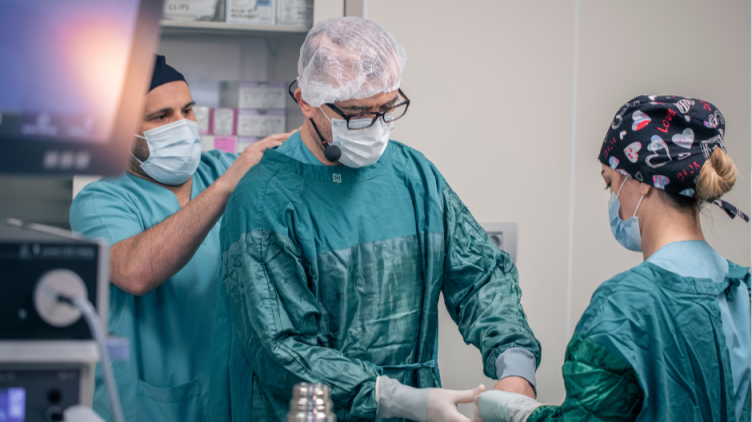
The scrub nurse works within the sterile field directly alongside the surgeon. The scout nurse works outside it, supporting the scrub nurse and managing everything that happens at the periphery of the case. Together they are responsible for setting up the theatre, positioning the patient, maintaining the sterile field, assisting the surgical team and keeping the documentation accurate throughout.
The scrub and scout roles sit within a broader perioperative nursing framework that is defined and supported professionally by ACORN, the Australian College of Perioperative Nurses. ACORN sets the standards that govern how perioperative nurses practise across Australia, covering everything from surgical counts and sterile field management to documentation and patient advocacy. If you are new to theatre nursing or considering the specialty, their resources are worth bookmarking.
What a typical day looks like
Most elective lists run from around 8am, so a 7:30am start is standard. The day begins with getting changed into theatre attire, scrubs, shoes and hat, and then a team huddle to run through the operating list. The huddle is where the team flags anything that needs early attention: specialist equipment, high-risk patients, cases likely to run long.
From there, setup begins. Some scrub and scout nurses specialise in a single area such as vascular or orthopaedics. Others work across multiple specialties. Either way, the pre-case preparation follows a consistent structure.
The scrub role in practice
Before the first case, the scrub nurse performs a surgical hand wash. The first of the day takes around five minutes using an iodine or chlorhexidine solution. This is where the name comes from.
Once scrubbed, the nurse is gowned and gloved with assistance from the scout, using a specific technique to maintain sterility. The scrub nurse then checks and organises all instruments on the trolley before performing a full count with the scout. Every instrument and piece of equipment is recorded.
When the patient is anaesthetised and ready, the team enters theatre and performs a time out. This is a mandatory final check with the whole team present, confirming the correct patient, the correct procedure and the correct equipment. Once everyone is satisfied, the case begins.
During the procedure the scrub nurse maintains the sterile field, hands instruments to the surgeon and assists with suction and retraction as needed. As closure begins, scrub and scout count again together. Every instrument is accounted for at every layer of closure. Once counts are confirmed correct, the scrub nurse assists with patient care, dressings and transfer, then helps prepare the theatre for the next case.
The scout role in practice
For the following case the nurse moves into the scout role. This means opening and counting in all instruments and equipment in a sterile manner, checking with surgeons and other clinicians present for any additional requirements or anticipated complications, confirming consent and allergies, and ensuring all documentation is correct before the case starts.
During the procedure the scout records the operating details, including patient positioning, equipment used, personnel present and key clinical events such as time of birth in caesarean sections, specimens taken and blood loss.
When things move fast
Theatre nurses also need to be ready to respond to emergency codes at any point in the shift. One of the most time-critical in the perioperative setting is an emergency caesarean, where the team needs to have a theatre prepared and ready to go immediately. Knowing your codes and being able to act on them quickly is part of the role.
Why nurses stay in theatre
The honest answer is that the variety keeps it interesting. No two lists are the same, the clinical challenge is real and the team environment in a well-run theatre is unlike most other nursing settings.
If you are a theatre nurse looking for a permanent role in a private hospital, or exploring what is available in the market, register your interest with Carejobz today by contacting paul@carejobz.com or call him on +61 (0)4355 83849


